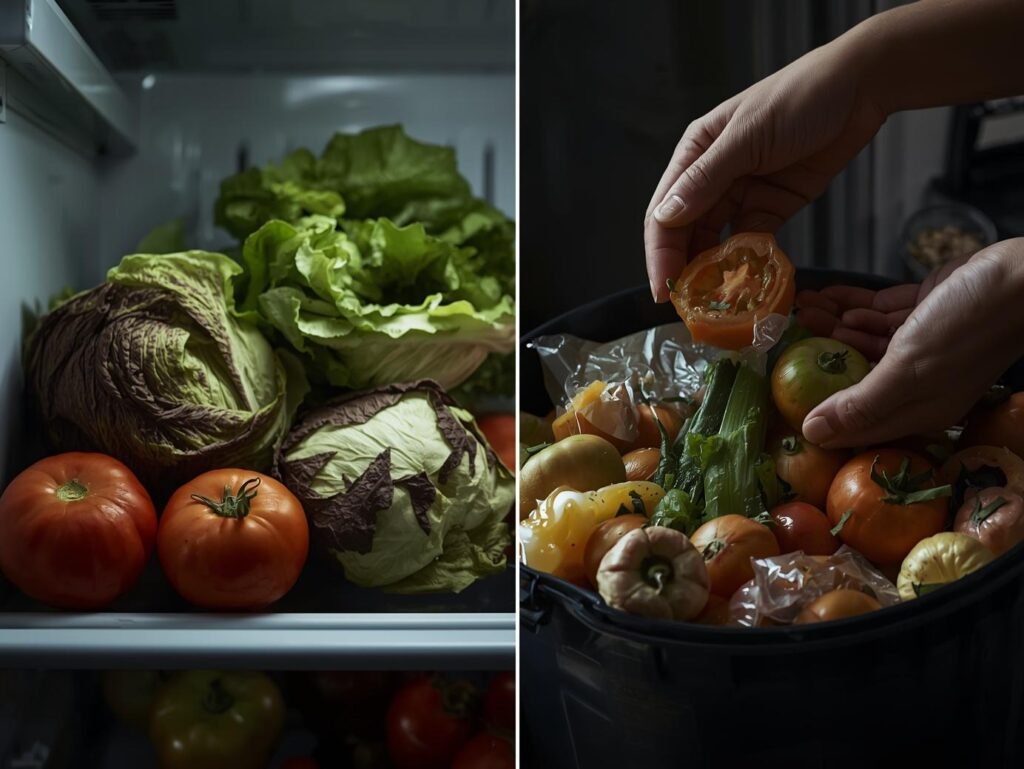
Have you ever cleaned out your fridge and thrown away a slimy bag of lettuce, moldy berries, or a chunk of expired cheese? It feels terrible, doesn’t it? But it’s not just a waste of food—it’s a waste of your hard-earned money.
The USDA estimates that the average American household throws away nearly $1,500 worth of food every single year. That’s like taking a stack of hundred-dollar bills and literally setting them on fire every December. With grocery prices at an all-time high due to inflation, you simply cannot afford to let your food spoil before you eat it.
Cutting down on food waste is one of the easiest and most effective ways to lower your monthly expenses. Here are 5 proven hacks to stop feeding your trash can and start keeping your cash:


1. The Supermarket Trick: “First In, First Out” (FIFO) Grocery stores use the FIFO method to keep their shelves fresh, and you should too. When you come home from the grocery store, don’t just shove the new items into the front of the fridge. Move the older items forward and place the new items in the back.
- Why it works: This forces your eyes to land on the older food first. If the older yogurt is in the front, you’re much more likely to grab it before it expires. Out of sight means out of mind—and straight into the trash.
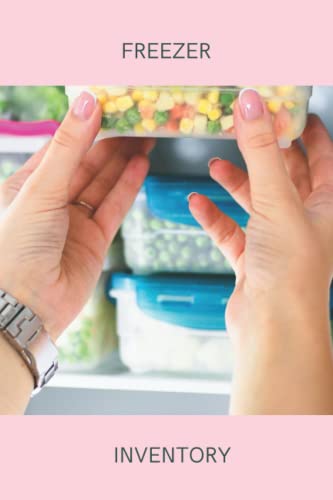
2. The “Smoothie Bag” Freezer Trick Don’t wait until your fruits and vegetables are rotting in the crisper drawer to do something about them. The second you notice your bananas getting brown spots, or your spinach starting to wilt, take action!
- The Hack: Chop up the browning bananas and toss them in a Ziploc bag. Do the same with the wilting spinach, leftover berries, or even extra coffee you didn’t finish. Keep a dedicated “Smoothie Bag” in your freezer. When you’re ready, just dump a handful into a blender with some milk, and you have a healthy breakfast that cost you exactly zero extra dollars.
3. Decode the “Expiration Date” Lie This is the biggest secret food companies don’t want you to know: Most dates on food packaging are not safety dates. They are “Best By” or “Sell By” dates, which only indicate peak quality, not when the food becomes dangerous.
- The Rule: Except for infant formula, you can safely consume yogurt, milk, eggs, and cheese weeks after their printed dates if they have been stored properly. Trust your nose and your eyes, not the printed numbers. If it smells fine and looks fine, it is fine. Stop throwing away perfectly good food just because a label told you to!

Cook for a week, or two weeks or even more, in just a few hours in the kitchen—and have incredibly delicious, completely nutritious meals waiting for you when you need them.
4. Buy Meat in Bulk & Protect It (The Ultimate Saver) Meat is the most expensive item on the grocery list by weight. The smartest financial move you can make is buying large “family packs” of chicken, beef, or pork when they go on a massive sale.
However, if you just throw that giant pack into the freezer as-is, freezer burn will ruin the texture and flavor within a month. Freezer burn happens when air touches the meat, causing ice crystals to form.
- The Solution: You have to remove the air. Investing in a home vacuum sealer is the ultimate game-changer for grocery budgets. It sucks all the air out of the bag, sealing your meat airtight and keeping it fresh in the freezer for up to 3 years instead of 3 months! (If you want to see which affordable vacuum sealers actually protect your food, we’ve tested the best ones on our Vacuum Sealers to Keep Food Fresh page!)
5. Repurpose, Don’t Just Reheat Leftover night is usually met with groans in most households. Eating the exact same meal two days in a row gets boring fast. Instead of just reheating last night’s dinner, learn to “repurpose” it.
- The Magic: Did you roast a whole chicken on Sunday? Don’t just eat cold chicken on Monday. Shred the leftover meat and turn it into chicken tacos on Tuesday. Throw the bones into a pot with water and vegetable scraps to make free, homemade bone broth on Wednesday. Stale bread? Don’t throw it away—cut it into cubes, toss it with olive oil, and bake them into croutons.
The Bottom Line Your trash can should be empty, not full of your paycheck. By implementing these simple habits—organizing your fridge, using your freezer, understanding food labels, and repurposing your meals—you can easily cut your grocery bill by 20% or more. Respect your food, and respect your money!
Disclosure: This post contains affiliate links. If you click through and make a purchase, we may earn a small commission at no extra cost to you. We only recommend products we genuinely believe offer great value.