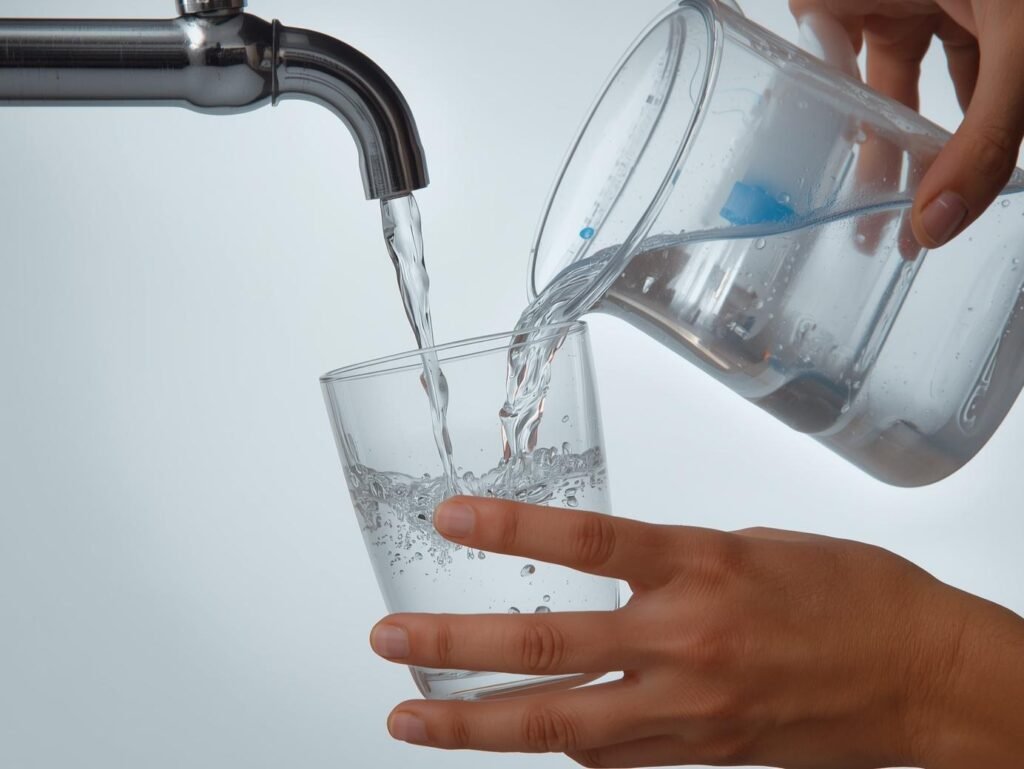
In recent months, extreme weather events and aging infrastructure have caused a disturbing rise in “Boil Water Notices” across the country. From floods in Texas to winter storms in the South, turning on the tap only to find brown, contaminated water is becoming a terrifying new normal.
When these crises hit, the first thing people do is rush to the grocery store, fighting over expensive packs of plastic bottled water. It’s a panicked, expensive reaction that creates mountains of plastic waste and drains your bank account.
You don’t have to be a victim of panic buying. By preparing smartly right now, you can ensure your family has safe drinking water while keeping your budget intact. Here are 4 smart ways to secure clean water:
1. Understand the “Boil Water” Rules If your city issues a Boil Water Notice, it means the water may contain bacteria or parasites. Bringing water to a rolling boil for at least one full minute will kill most pathogens, making it safe to drink.
- The Catch: Boiling does NOT remove dirt, rust, heavy metals, or chemical runoff that often flood into the water supply during storms. If the water is physically dirty or chemically contaminated, boiling it won’t make it safe. You need to filter it first.


2. Stop Buying Bottled Water (The Financial Drain) Buying a 24-pack of bottled water costs around $6. If you rely on that for a family of four during a 3-day water crisis, you’ll easily spend $50 or more. Over a year of occasional emergencies, that’s hundreds of dollars wasted on plastic that ends up in landfills.
- The Fix: Stop carrying heavy cases of water from the store. A high-quality water filter pitcher or gravity filter pays for itself after just one emergency and provides unlimited, clean water straight from your tap every single day. (If you want to see which filters actually remove dangerous contaminants without costing a fortune, check out our review of the best emergency water filters!)
3. Store Water Smartly (Not in Milk Jugs) You should always have a 3-day supply of water stored for emergencies. The rule of thumb is one gallon per person, per day. However, many people make the mistake of storing water in old milk jugs or thin plastic containers. These leak easily and harbor dangerous bacteria from leftover milk proteins.
- The Fix: Invest in BPA-free, heavy-duty water storage bricks or jugs specifically designed for long-term storage. Keep them in a cool, dark place and replace the water every six months.
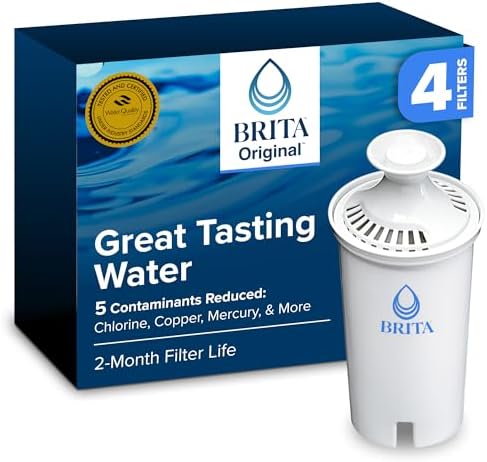
- CERTIFIED REPLACEMENT FILTERS: 1-Count of WQA NSF/ANSI certified Brita Standard replacement water filter reduce chlorine…
- LASTS 2 MONTHS PER FILTER: Each Standard filter lasts 40 gallons or approximately 2 months based on average family usage…
- REPLACE UP TO 300 PLASTIC BOTTLES: Each Standard filter replaces up to 300 single-use 16.9 oz plastic bottles — that’s u…
4. Invest in a Gravity Water Filter (The Ultimate Lifeline) When the power goes out during a storm, electric water filters and fancy fridge dispensers become completely useless. You need a filter that works without electricity.
- The Smart Move: Gravity water filters use stacked chambers. You pour dirty tap water into the top, and gravity pulls it through dense ceramic or carbon filters, delivering crystal-clear, safe drinking water out of a spigot at the bottom. No electricity, no plumbing, no panic.
The Bottom Line Don’t wait for the next storm or infrastructure failure to panic. By understanding water safety and investing in the right filtration tools now, you can protect your health and your wallet when the tap turns dirty.
Disclosure: This post contains affiliate links. If you click through and make a purchase, we may earn a small commission at no extra cost to you. We only recommend products we genuinely believe offer great value.
Disclosure: This post contains affiliate links. If you click through and make a purchase, we may earn a small commission at no extra cost to you. We only recommend products we genuinely believe offer great value.