Confession time. Two years ago, I walked into an electronics store to buy a simple speaker for the kitchen. I walked out with a $349 Marshall Stanmore — a gorgeous, vintage-style speaker that looked like it belonged in a Rolling Stone photoshoot.
I was so proud of it. For about three weeks. Then I tried to take it to the backyard for a barbecue and discovered the truth: it doesn’t have a battery. It’s a bookshelf speaker shaped like a suitcase. Then a splash from the sink nearly killed it — no water resistance. Then I realized I’d paid $349 for something that could only do one thing: sit in one room, looking cool.
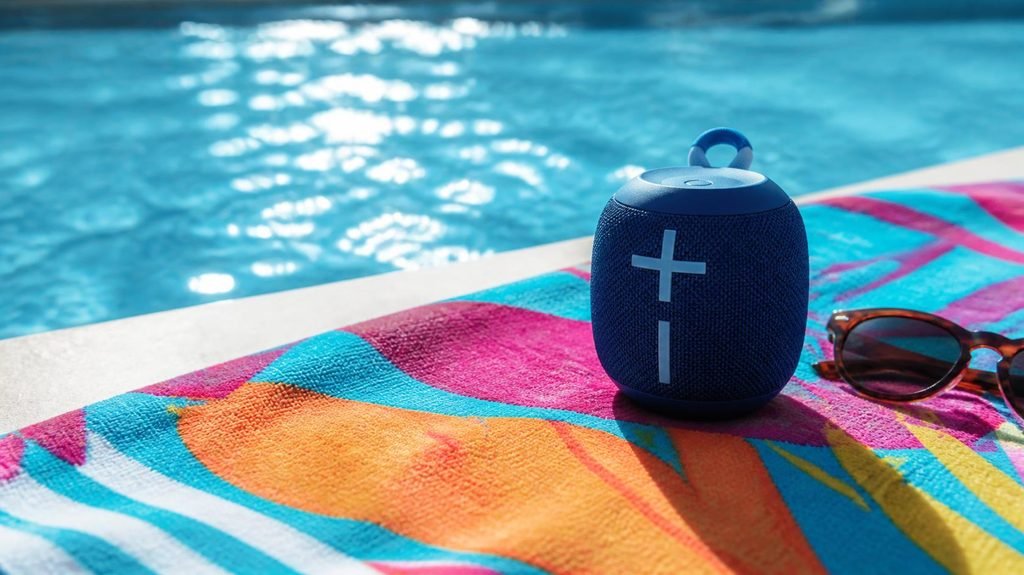
Last year, my sister visited with a little $26 speaker she clipped to her backpack. It had survived rain, the beach, and being dropped in a pool. And honestly? At normal listening volume, it sounded 90% as good as my “furniture piece.”

- Wireless Bluetooth streaming
- 12 hours of playtime
- IPX7 waterproof

- IPX7 Waterproof & Rugged: This speaker is rated IPX7 for water resistance. It can withstand immersion in up to 1 meter o…
- 20W Audio Output: This speaker features a 53 mm driver with 20 W peak output;The audio produces bass and treble across a…
- Beat-Driven RGB Light Show: This speaker includes a multi-color light display that responds to audio frequencies; The li…

- True Wireless Speaker- True wireless stereo speaker supports Bluetooth 5.4, allowing you to easily pair two portable spe…
- Monster Speaker- Monster S620 Bluetooth speakers, meticulously crafted by Noel Lee and the Monster design team in the Un…
- Multifunctional Speaker – This multi-functional speaker Bluetooth 5.4 connectivity and TF card input, giving you the fle…
Here’s everything my $349 mistake taught me, so you don’t repeat it:
Mistake #1: I paid for furniture, not sound. When you buy a premium designer speaker, a huge chunk of the price is the vinyl wrapping, the gold logo, and the status. Sound quality per dollar peaks way earlier than marketers admit — around the $25–$100 mark for Bluetooth speakers. After that, you’re buying an interior decoration.
Mistake #2: I ignored portability, and portability is the whole point. A Bluetooth speaker’s real value is going where you go: the kitchen, the shower, the garage, the campsite, the beach. Battery life (20+ hours) and waterproofing (IPX7 — meaning it survives full submersion) matter more than any spec on a glossy box. My $349 speaker scored zero on both.
Mistake #3: I assumed price = loudness. Wrong math. Loudness follows watts and enclosure design, not price tags. Several sub-$30 speakers push 16–24W today — loud enough to fill a backyard party. The “budget” category stopped being bad years ago; the marketing just didn’t tell anyone.
What I did next.
I returned nothing (too late for that), but I did go down the rabbit hole and rebuilt my speaker collection the smart way — a waterproof one for the bathroom, a loud one for gatherings, a tiny one for travel. Combined, they cost less than a third of my original mistake. If you want to skip the trial-and-error, here are the three budget speakers I ended up keeping and would buy again tomorrow.
The bottom line: my $349 speaker now sits on a shelf, unplugged, basically a lamp. The $26 one gets used every single day. Learn from me.
Disclosure: This post contains affiliate links. If you click through and make a purchase, we may earn a small commission at no extra cost to you. We only recommend products we genuinely believe offer great value.