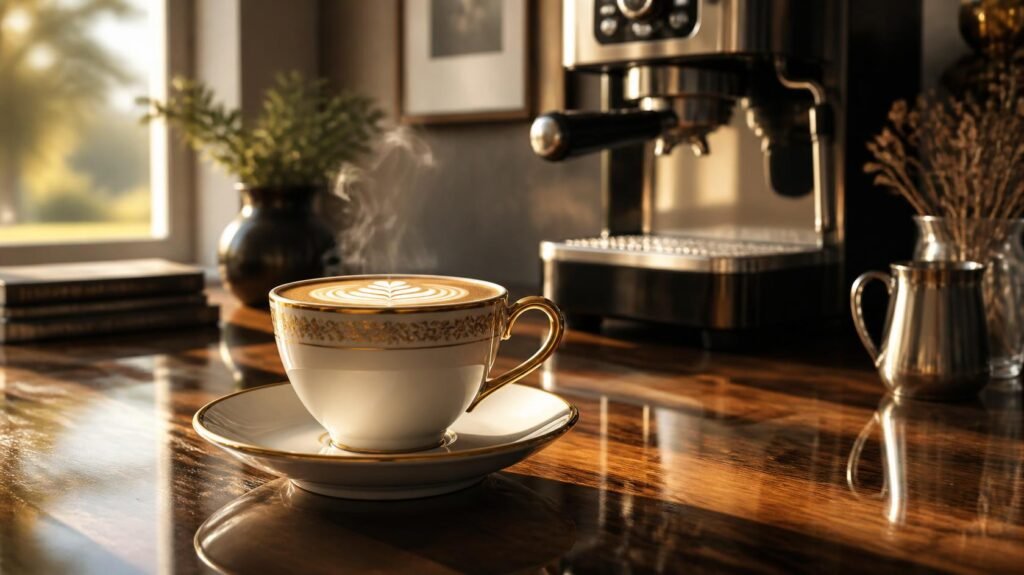
Short answer: between $30 and $120. Anything above that, and you are mostly paying for stainless steel, a brand name, and a heating plate you will never use.
But let’s unpack that properly, because the coffee industry has turned a simple morning ritual into a $700 purchasing decision. Below are the five questions people actually ask before buying a coffee maker — and the honest answers the salesperson won’t give you.
Question 1: Do expensive coffee makers make better coffee?
Surprisingly, no — not unless you’re spending the money in the right place.
The biggest factor in coffee taste is not the machine. It’s the freshness of the beans and the water temperature. A $35 brewing device with fresh beans will beat a $500 machine running on stale, pre-ground supermarket coffee every single time.
What actually matters: water that reaches 195–205°F, and grounds that are used within a few weeks of roasting. Cheap brewers sometimes miss the temperature mark — but the popular budget models we recommend hit it just fine.

- 𝗦𝗧𝗔𝗜𝗡𝗟𝗘𝗦𝗦 𝗦𝗧𝗘𝗘𝗟 𝗙𝗥𝗘𝗡𝗖𝗛 𝗣𝗥𝗘𝗦𝗦 𝗔𝗡𝗗 𝗖𝗢𝗙𝗙𝗘𝗘 𝗣𝗥𝗘𝗦𝗦, 𝟯𝟰 𝗢𝗭: a full-size press for hot coffee, cold brew, or tea, with enough c…
- 𝗡𝗢𝗡-𝗧𝗢𝗫𝗜𝗖, 𝗕𝗣𝗔-𝗙𝗥𝗘𝗘, 𝗔𝗡𝗗 𝗣𝗟𝗔𝗦𝗧𝗜𝗖-𝗙𝗥𝗘𝗘: many coffee makers use plastic parts that can affect flavor over time. Every part…
- 𝗨𝗡𝗕𝗥𝗘𝗔𝗞𝗔𝗕𝗟𝗘 𝗦𝗧𝗔𝗜𝗡𝗟𝗘𝗦𝗦 𝗦𝗧𝗘𝗘𝗟, 𝗕𝗨𝗜𝗟𝗧 𝗧𝗢 𝗟𝗔𝗦𝗧: no glass carafe to crack and no thin metal to dent or rust, this press holds…
Question 2: Are pod machines (Keurig, Nespresso) actually cheaper?
Here’s where the math gets ugly.
A Nespresso machine might cost $150, but each pod costs 70–90 cents. Drink two cups a day, and that’s $500+ per year in pods — forever. A bag of quality beans costs $15 and makes 30 cups. That’s 50 cents a cup, with better taste and zero plastic waste.
Pod machines are razors. The pods are the blades. If you drink coffee daily, pods are the most expensive way to brew, disguised as the cheapest.
Question 3: What am I really paying for at $400–$700?
A few real things, and a lot of theater.
The real things: dual boilers (back-to-back espresso shots with no wait), built-in grinders, and pressure profiling. If you’re not a hobbyist who times extraction shots, you will never use any of this.
The theater: chrome bodies, touchscreen menus, “16 brewing modes” that are all just water at different temperatures, and automatic milk wands that produce foam you could make in 20 seconds with a $10 frother.
Question 4: What’s the cheapest way to make genuinely good coffee?
There are two paths, and both are shockingly affordable:
The no-machine path: A French press ($20) or AeroPress ($35) makes coffee that coffee snobs genuinely respect. The AeroPress in particular has a cult following and world championships dedicated to it. Total startup cost: less than three Starbucks lattes.
The machine path: A solid budget espresso machine ($100) or programmable drip brewer ($90) covers 95% of home brewing needs. If you want to see exactly which ones pull their weight — and which ones leak after six months — we broke down the three worth buying in our full comparison here: the best budget coffee makers of the year.
- 𝗦𝗧𝗔𝗜𝗡𝗟𝗘𝗦𝗦 𝗦𝗧𝗘𝗘𝗟 𝗙𝗥𝗘𝗡𝗖𝗛 𝗣𝗥𝗘𝗦𝗦 𝗔𝗡𝗗 𝗖𝗢𝗙𝗙𝗘𝗘 𝗣𝗥𝗘𝗦𝗦, 𝟯𝟰 𝗢𝗭: a full-size press for hot coffee, cold brew, or tea, with enough c…
- 𝗡𝗢𝗡-𝗧𝗢𝗫𝗜𝗖, 𝗕𝗣𝗔-𝗙𝗥𝗘𝗘, 𝗔𝗡𝗗 𝗣𝗟𝗔𝗦𝗧𝗜𝗖-𝗙𝗥𝗘𝗘: many coffee makers use plastic parts that can affect flavor over time. Every part…
- 𝗨𝗡𝗕𝗥𝗘𝗔𝗞𝗔𝗕𝗟𝗘 𝗦𝗧𝗔𝗜𝗡𝗟𝗘𝗦𝗦 𝗦𝗧𝗘𝗘𝗟, 𝗕𝗨𝗜𝗟𝗧 𝗧𝗢 𝗟𝗔𝗦𝗧: no glass carafe to crack and no thin metal to dent or rust, this press holds…
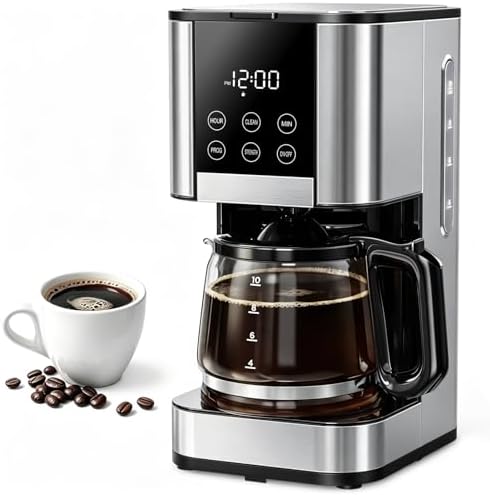
- 10 Cup Large Capacity: This drip coffee maker with large capacity easily serves your whole family and guests. Perfect fo…
- 24 Hour Programmable Function: Pre-set your brew time in advance with the programmable coffee machine. Wake up to hot, f…
- 2H Keep Warm & Auto Shut Off: Keeps coffee at ideal temperature for 2 hours to preserve rich taste. Built-in auto shut o…

- WHAT’S IN THE BOX: One water filter handle, and one filter to help ensure your beverages taste their absolute best.
- BREWS MULTIPLE CUP SIZES: 4, 6, 8, 10, 12oz Enjoy the most popular cup sizes.
- STRONG BREW: Brew a stronger, more intense cup.
Question 5: So what should a normal person actually buy?
Match the machine to your habit, not to your aspirations:
- One cup a day, drunk fast: AeroPress or French press. Done. ($20–35)
- Espresso lover, milk drinks, budget-conscious: A budget espresso machine plus a manual milk frother. ($100 total)
- Household of coffee drinkers, morning routine: A programmable drip brewer that has coffee ready when your alarm goes off. ($90–120)
- Occasional drinker, variety matters more than cost: Fine, get the pod machine — just do the pod math first.
The bottom line: your coffee can taste like a café for the price of a few takeaway cups. Save the $500 you didn’t spend, and put it toward better beans — that’s the upgrade you’ll actually taste in the cup.
Disclosure: This post contains affiliate links. If you click through and make a purchase, we may earn a small commission at no extra cost to you. We only recommend products we genuinely believe offer great value.