Have you ever opened your dishwasher or looked at your kitchen sink and caught a whiff of that horrible, sour mildew smell? That smell is coming from your kitchen sponge.
Sponges are a notorious budget trap. You buy a $3 pack at the grocery store, use them for a week, and they start smelling like rotten food. You throw them away and grab a new one. Over a year, you are throwing away over $100 on sponges, paper towels, and dish soap that just end up in a landfill.
With grocery prices skyrocketing, wasting money on disposable cleaning products is a budget leak you can no longer afford. You can keep your kitchen sparkling clean for pennies. Here are 3 smart ways to cut kitchen cleaning costs, complete with amazing hidden benefits:
1. The “Dilute Your Soap” Trick Most people squirt a giant puddle of dish soap directly onto their sponge. This uses way too much soap, creates a massive mess of bubbles that takes forever to rinse, and drains your $5 bottle of soap in a week.
- The Smart Fix: Buy a foaming soap dispenser (or reuse an empty one). Fill it with 10% liquid dish soap and 90% water. The dispenser aerates the mixture into a thick foam. You use 90% less soap, but it still cuts through grease perfectly.
- The Extra Benefit : Using foaming soap means you use far less water to rinse the dishes. You will save gallons of water every month, which directly lowers your water bill. Plus, your dishes won’t have that chemical soap taste that comes from using too much detergent.

- High-Performance Cleaning: The Cleaning Sponges Eraser features emery particles and a thicker abrasive layer, making it …
- Superior Absorbency and Texture: Made from high-density sponge material, our sponge has a fine, soft texture that excels…
- Versatile Use: This cleaning expert is not limited to just dishes; it effortlessly cleans pots, pans, sinks, and hobs, t…

- Scratch-Free on 25+ Surfaces: Safely scrub glass, stainless steel, cast iron, non-stick, copper, chrome & leather – plus…
- Temperature-Controlled FlexTexture: Firms up in cold water for baked-on messes, softens in warm water for delicate wipin…
- Built to Resist Odors: Our kitchen sponges are top-rack safe for easy sanitizing between deep cleans, no boiling require…

- Temperature-Controlled Scrubber – These kitchen sponges pack a punch with Scrub Daddy’s FlexTexture foam: firm in cold w…
- Scratch-Free On Over A Dozen Surfaces – These dishwashing sponges are safe on glass, stainless steel, cast iron, non-sti…
- Color-Coded & Odor-Resistant – With proper care, Scrub Daddy cleaning sponges resist odors and stains for up to 12 weeks…
2. Stop Wetting Your Sponges (The Bacteria Factory) The reason sponges smell so bad is that they sit in a pool of water at the bottom of the sink. This dark, damp environment is a 5-star hotel for bacteria like E. coli and Salmonella.
- The Free Hack: Squeeze your sponge completely dry after every single use, and place it on the edge of the sink where it can get airflow. A dry sponge cannot grow bacteria or smell. If it does start to smell, wet it and microwave it for 90 seconds to sterilize it instantly.
- The Extra Benefit : Keeping your sponge dry and sterilizing it in the microwave dramatically reduces your risk of food poisoning and cross-contamination. You are protecting your family’s health while saving money on constant replacements.
3. Ditch the Sponge Entirely (Switch to Swedish Dishcloths) If you want to stop throwing money in the trash, you need to abandon the synthetic sponge altogether.
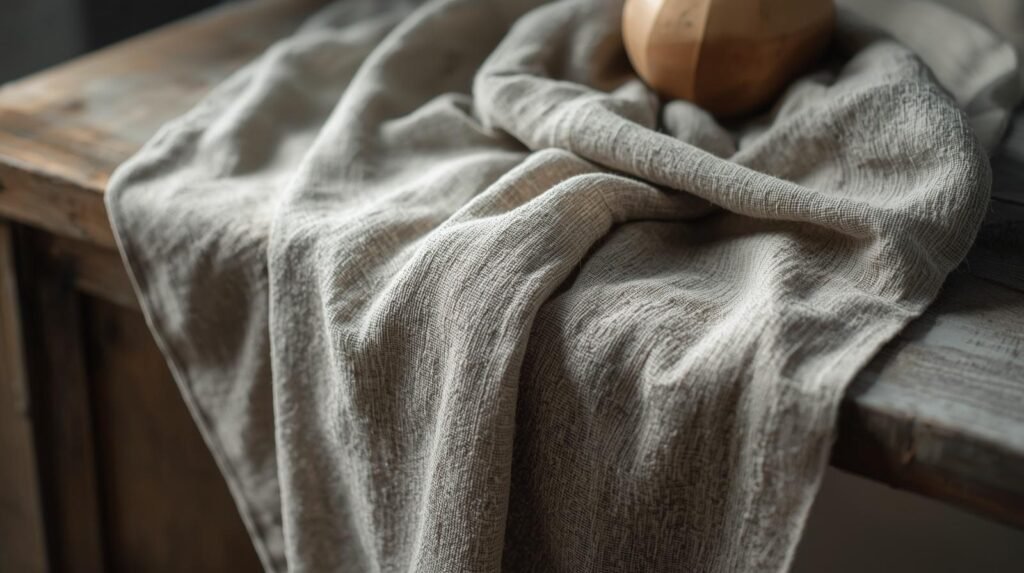
- The Smart Move: A Swedish Dishcloth is a magic kitchen gadget. Made from cellulose (wood pulp) and cotton, it feels like a cross between a sponge and a paper towel. It absorbs 20 times its weight in liquid, and because it dries completely hard within an hour, it absolutely never smells. When it gets dirty, you just throw it in the washing machine or the top rack of your dishwasher. One $15 pack of dishcloths replaces 17 rolls of paper towels and dozens of sponges! (If you want to see which dishcloths are the most absorbent and durable, check out our review of the best Swedish dishcloths!)
- The Extra Benefit : Swedish dishcloths are 100% biodegradable. When one finally wears out after 100 washes, you can toss it into your compost bin, and it will turn into dirt. You eliminate hundreds of pounds of plastic waste from landfills while keeping your kitchen looking modern and minimalist.
The Bottom Line Stop feeding the grocery store your money for smelly sponges and paper towels. Dilute your soap, keep your sponges dry, and upgrade to reusable Swedish dishcloths. Your kitchen will be cleaner, your trash will be emptier, and your wallet will be heavier.
Disclosure: This post contains affiliate links. If you click through and make a purchase, we may earn a small commission at no extra cost to you. We only recommend products we genuinely believe offer great value.